Strengthening Business Operations Through Reliable IT Support
Modern businesses depend on technology for communication, collaboration, data management, customer service, and everyday operations. When technical problems occur, even a minor issue can interrupt productivity and create unnecessary delays. Remote IT Computer Support provides businesses with convenient access to technical assistance without requiring a technician to be physically present at the workplace. At the same time, a Managed IT Services Provider can offer ongoing technology management, monitoring, maintenance, and support designed around an organization's operational requirements.
Remote IT support allows technicians to troubleshoot many computer and network issues through secure remote connections. Common tasks can include software troubleshooting, operating system assistance, application configuration, account support, device maintenance, and resolving connectivity problems. This approach can reduce the time required to diagnose technical issues because support teams can access relevant systems without waiting for an onsite visit. For businesses with employees working from different locations, remote assistance can also provide a consistent support channel across multiple devices and work environments.
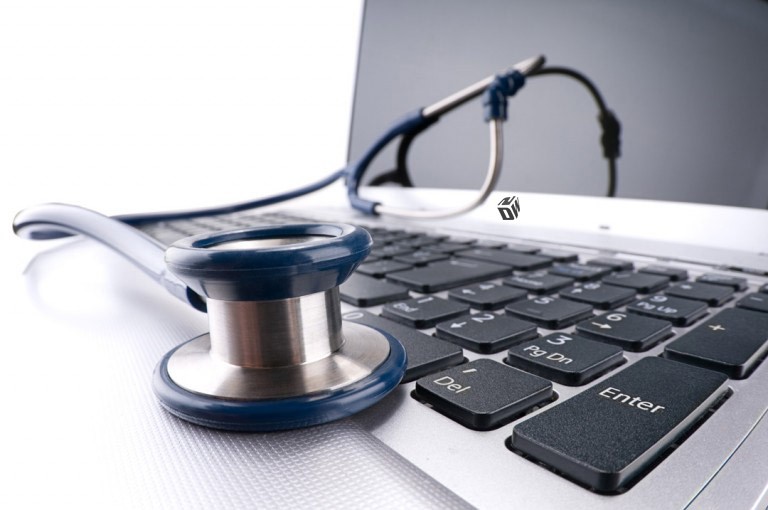
Managed IT services take a broader approach by focusing on the continuous operation and maintenance of an organization's technology environment. Instead of responding only when problems occur, managed service teams can monitor systems, apply updates, maintain devices, review network performance, and assist with technology planning. Regular monitoring can help identify potential issues before they become significant disruptions. Businesses can therefore establish more predictable IT processes while reducing the administrative burden placed on internal employees who may otherwise have to handle routine technical tasks.
Security is another important component of modern IT management. Businesses handle sensitive customer information, financial records, employee data, and proprietary documents that require appropriate protection. IT support providers can assist with security updates, access management, endpoint protection, backup strategies, and other safeguards. Employee awareness is also important because phishing attempts, weak passwords, and unsafe downloads can create security risks. A structured IT service approach can combine technical controls with appropriate policies and training to support a more secure digital environment.
As organizations grow, their technology requirements can become increasingly complex. New employees may require devices and accounts, departments may need additional applications, and businesses may introduce cloud services or upgraded network infrastructure. A managed IT team can help coordinate these changes while considering compatibility, performance, security, and future requirements. Regular technology assessments can also help organizations determine whether existing hardware and software continue to meet operational needs. This makes IT planning a continuous business activity rather than an occasional response to technical problems.
For organizations seeking dependable technology assistance, Remote IT Computer Support can provide fast access to troubleshooting and technical guidance, while a Managed IT Services Provider can support broader requirements through monitoring, maintenance, security, and strategic IT planning. The appropriate service model depends on business size, workforce structure, technology environment, and support requirements. By establishing reliable IT processes and maintaining systems proactively, businesses can reduce avoidable interruptions, support employees more effectively, and create a stronger foundation for continued digital operations.

Comments
Post a Comment